
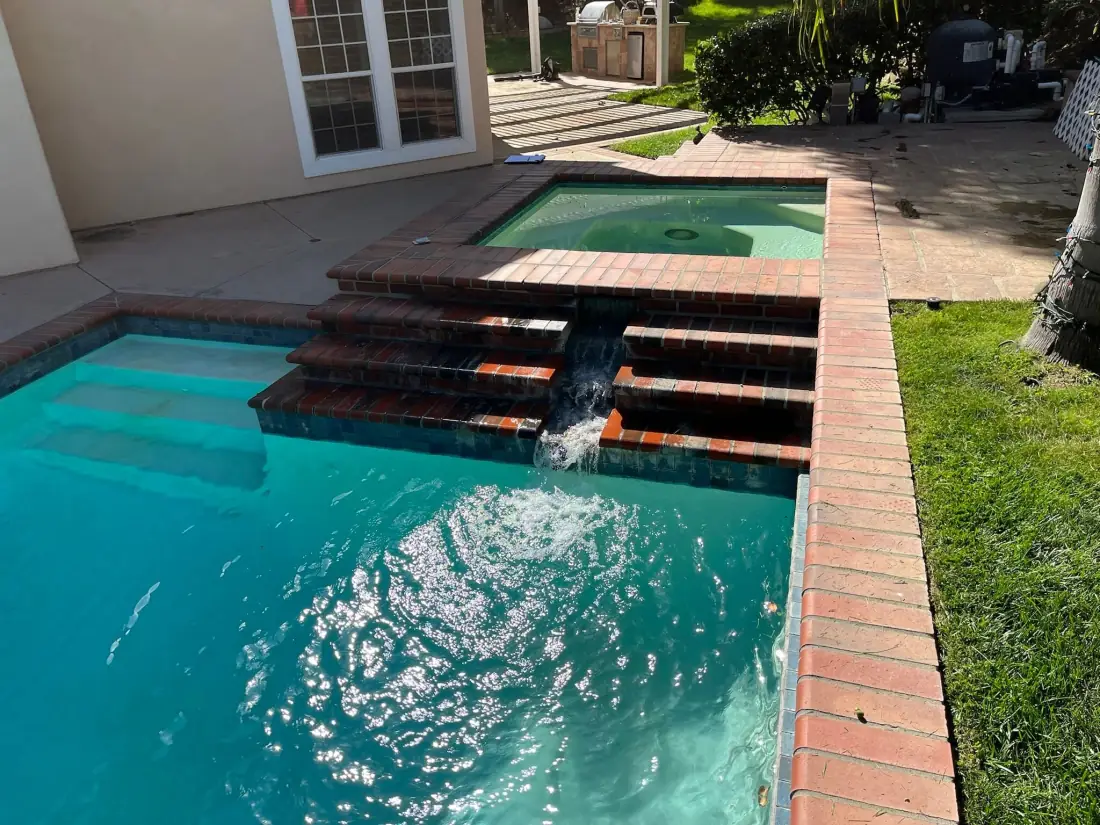
Pool equipment installation in Los Angeles covers new pumps, filters, heaters, automation and the plumbing and wiring that tie them together. A variable-speed pump is usually the upgrade that pays back fastest, and we size each unit to the pool rather than the largest model on the shelf. Every install is quoted in writing.
Work is done by Ran Neuman, who owns Spear Pools, Inc. and brings 18 years of hands-on pool repair and construction experience. Licensed and insured under CSLB #1143895. Free written estimate, and most repairs are scheduled the same week.
“Had Richard install a new variable speed pump! Reasonable pricing, and very experienced, and thorough in his work.”
★★★★★ Jordan W., Venice, verified Yelp review
Repair or Replace First?
Not every failed unit needs replacing. A seal, capacitor or sensor can put a sound pump or heater back in service for a fraction of the price. Before replacing a unit, see whether a repair will do.
Replacement wins when the unit is failing repeatedly, when a cracked filter tank or heat exchanger makes repair unsafe or uneconomical, or when an old single-speed pump is costing more in power than a new one would.
Why Most Pump Replacements Are Now Variable-Speed
This is the change that surprises most owners. Since July 19, 2021, federal efficiency standards for pool pumps have effectively ruled out single-speed pumps for most in-ground pools. California’s Title 20 goes further: a replacement pool pump motor of 0.5 total horsepower or more must be variable-speed.
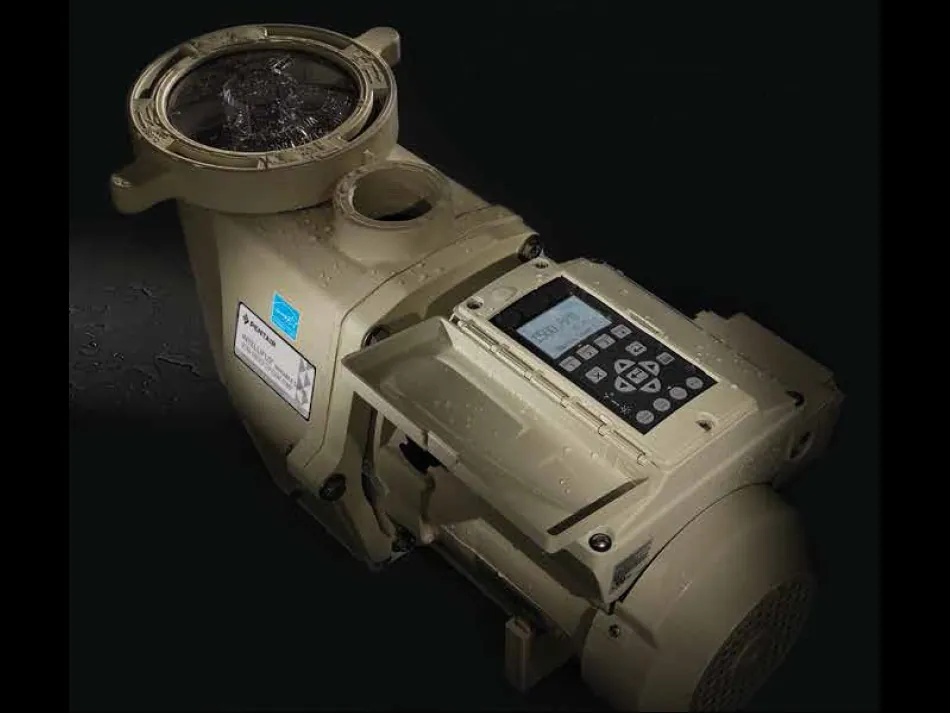
That works in your favor. A variable-speed pump runs slowly for long hours, which moves the same water for far less electricity and runs much quieter. Sizing it to the pool and the plumbing, not simply buying the largest model, is where the savings come from.
What We Install
| Equipment | What it does | Typical cost |
|---|---|---|
| Pool pump | Moves water through the filter, heater and returns | $700 to $4,000 (about $1,300 average) |
| Variable-speed pump | Same job at adjustable speeds, far less power | $800 to $2,500 |
| Pool heater | Gas heater or electric heat pump | $1,864 to $4,348 installed (about $3,094 average) |
| Filter | Cartridge, sand or DE, matched to the pump’s flow | Quoted with the pad |
| Automation | Runs pump, heater, lights and valves from a phone | Quoted with the pad |
Source: HomeAdvisor, 2026 cost data. Your price depends on the pool, access and what we find on site.
We install Pentair equipment as an authorized warranty partner, so qualifying equipment gets registered and any future claim goes through us.
“Highly recommend Mike and his team for anyone looking to upgrade pool equipment, relocate equipment, new installs and much more.”
★★★★★ Scott Law, San Fernando Valley, verified Google review
Sizing Matters More Than Brand
A pump, filter and heater have to match each other and the pool. A pump that is too strong for its filter or plumbing wastes power and wears parts. A heater sized too small never gets the water warm on a cool evening.
We size each piece to the pool’s volume, the length and size of its plumbing, and how you use it: daily swimming, weekend use, or a spa that runs hot.
Gas Heater or Heat Pump?
A gas heater warms water quickly and works in any weather, which suits spas and pools heated on demand for a weekend. A heat pump is slower but far cheaper to run, because it moves heat from the air instead of burning fuel. Our mild Valley climate suits heat pumps well for pools kept warm through the season.
Many owners with a spa keep a gas heater for fast heat-up. Owners who swim most days often choose a heat pump for the lower running cost.
Moving or Rebuilding the Equipment Pad
Sometimes the equipment itself is fine but the pad is the problem: too close to a bedroom window, cramped, or sitting where a remodel needs the space. We relocate pads, re-plumb and rewire them, and set new equipment on a clean, level base. Moving a pad also means new runs to it, which makes it a good moment to look at replacing corroded pool lines.
Salt Systems
A salt chlorinator turns a low level of dissolved salt into chlorine as water passes through its cell, so you stop adding liquid chlorine by hand. The cell wears out over time and needs periodic cleaning and eventual replacement. Salt water can also be hard on some natural stone, so we look at the coping and deck before recommending one.
How an Installation Works
- Walk the pad. We check the existing equipment, plumbing and electrical service.
- Written quote. You get each unit, the plumbing changes and any electrical work priced separately.
- Install. Old equipment comes out, the new units are set, plumbed and wired.
- Program and test. Schedules, speeds and heater settings are set, and every unit is tested running.
- Walk-through. We show you the controls and register warranty equipment.
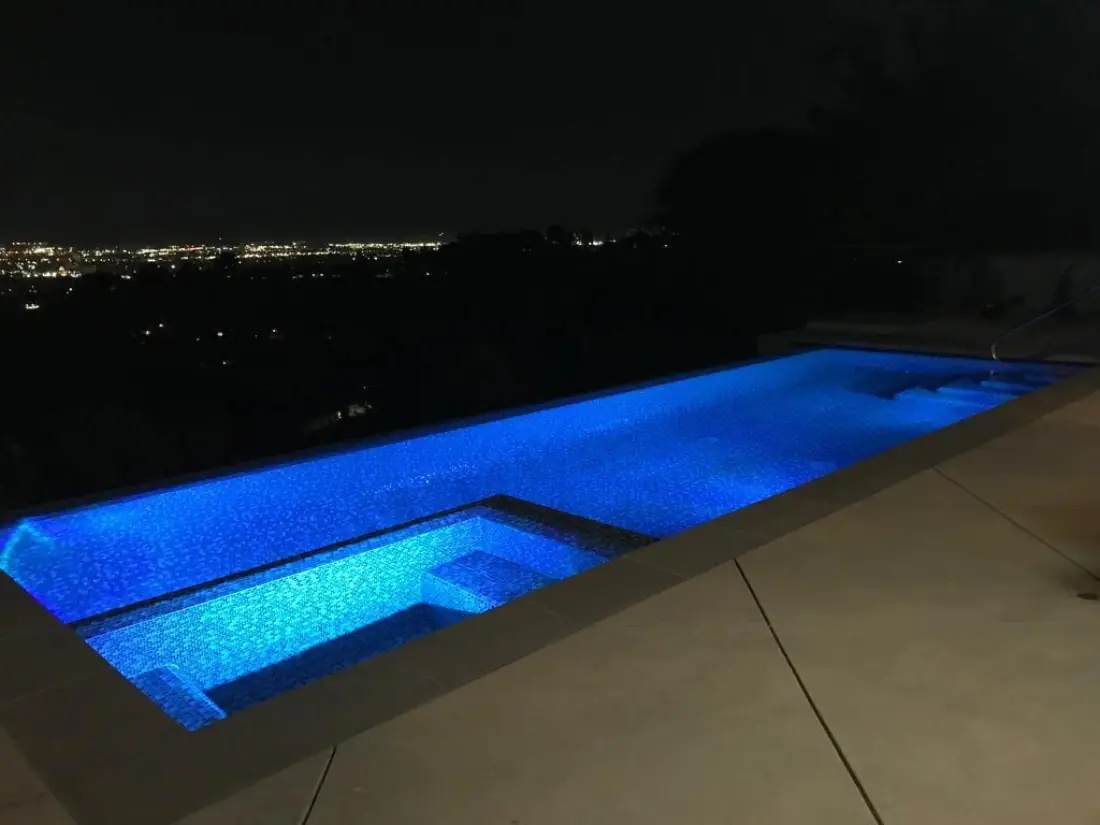
Controllers and panels need licensed pool electrical work, which we handle on the same job.
“Always gave me a choice of going new or refurbished equipment when their was a choice. Highly recommend.”
★★★★★ Fls W., Thousand Oaks, verified Yelp review
New or Refurbished?
When a quality refurbished unit is available, we can price it next to new so you can choose. New equipment carries the full manufacturer warranty. Refurbished costs less up front. Either way you get the options in writing before anything is ordered, including what warranty, if any, comes with a refurbished unit.
Upgrades That Pay Back
Some upgrades earn their cost back through lower bills or more use: a variable-speed pump, LED lighting and automation that stops equipment running longer than it needs to. Our guide to upgrades that pay for themselves covers equipment.
Where the equipment sits matters too. Estate pads, hillside lots and planned communities each bring their own layout, noise and access limits.
Equipment installation is the most requested job in some areas, including Beverly Hills equipment installation on estate pads. Planned communities keep us busy with equipment upgrades in Westlake Village.
Every installation starts with a free visit to the pad and a written quote.
At Spear, we handle pool equipment installation across Los Angeles, working out of the west San Fernando Valley and covering the Valley, the foothills and the Conejo Valley. See every community we serve.
Get a Free Pool Equipment Installation Estimate
Tell us what is on the pad now and what is failing. We size new equipment to the pool and quote it in writing.
Free visit. Written price. No obligation.
Ready for a pad that runs quieter and costs less? Call (818) 719-9059 and speak to Ran.