
Last updated September 25, 2026
Last updated: July 17, 2026
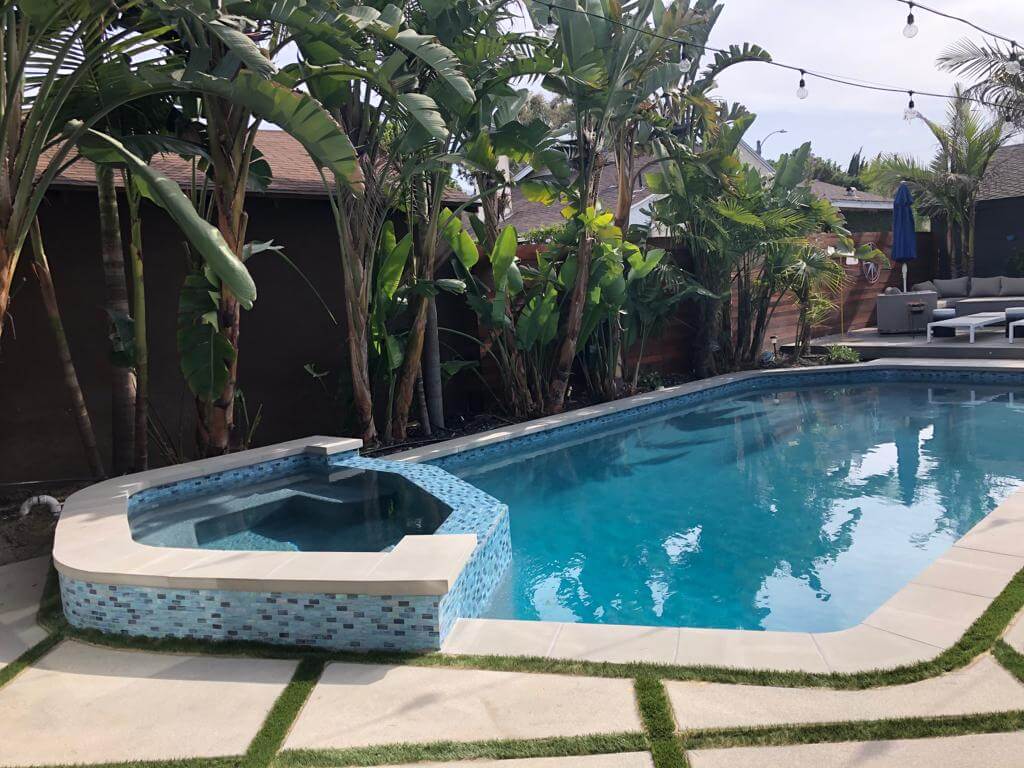
Pool remodeling is one of the most effective ways homeowners can refresh an aging backyard while improving the value of a house.
Over time, a pool surface wears down, tile becomes outdated, and equipment loses efficiency.
A thoughtful remodeling project can give the pool new life, improve safety, and enhance the enjoyment homeowners experience every time they swim.
Outdoor living spaces have become a major selling point in modern real estate.
Buyers are often drawn to homes that offer a comfortable place to relax, entertain, and enjoy the outdoors.
A renovated swimming pool can become the centerpiece of that environment.
A modern swimming pool also helps homeowners use their own backyard more often.
Instead of traveling for recreation, the pool becomes a convenient place for exercise, fun, and relaxation.
Thoughtful upgrades through pool remodeling can transform an aging pool into a comfortable space for swimming, gatherings, and everyday enjoyment.
However, not every remodeling decision adds the same value.
Some upgrades dramatically improve the appearance and usability of a pool area, while others increase cost without improving resale value.
This homeowner’s guide explains how the pool remodeling process works, which upgrades provide the strongest returns, and what homeowners should consider before starting a renovation project. Those returns hold up in Beverly Hills pool remodels.
Why Pool Remodeling Influences Home Value
The Importance of Outdoor Living Spaces
Outdoor living spaces have become a key feature in residential design.
Buyers want more than just interior square footage.
They want an outdoor environment that feels welcoming and functional.
A well-designed backyard can become a place for entertaining, relaxing, and enjoying time outside.
Many homeowners include features such as:
- Fire pits for evening gatherings
- Comfortable seating areas
- Lighting around the pool and decking
- Landscaping that adds privacy and shade
When these features surround a well-maintained swimming pool, the backyard becomes a destination rather than just an empty yard.
Curb Appeal and First Impressions
The condition of a pool has a strong impact on a property’s curb appeal.
When buyers see a clean pool surface, modern tile, and updated decking, it immediately signals that the property has been maintained properly. That first impression counts in neighborhoods where we handle pool remodeling in Tarzana.
Appraisers and buyers often evaluate:
- Surface condition of the pool
- Quality of the tile and plaster
- Decking condition
- Safety features and equipment
An updated pool area improves first impressions and contributes to the overall visual appeal of the house.
Understanding the Pool Remodeling Process
Planning the Remodeling Project
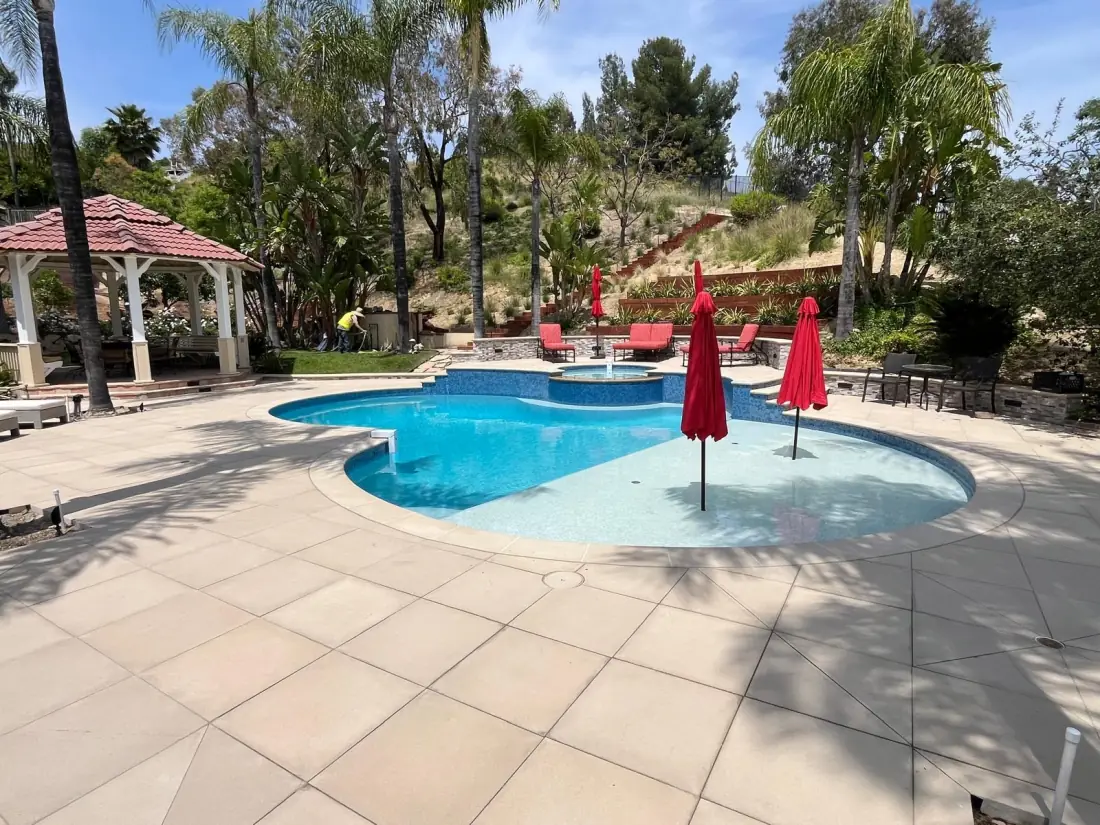
The first step in the pool remodeling process is evaluating the existing pool structure.
A professional pool contractor typically examines the surface, plumbing, decking, and equipment before recommending upgrades. It is the same walkthrough that starts a pool repair in Canoga Park job. When the shell is sound, remodeling usually costs far less than building a brand-new pool.
During this stage, homeowners receive an accurate estimate outlining the scope and cost of the project.
A contractor may suggest improvements such as:
- New tiling with mosaic tiles
- Lighting upgrades with LED lighting
- Spa area additions
- Water features like fountains
Selecting the right pool contractor ensures the project is completed safely and efficiently.
Experienced contractors with extensive experience can review previous work and explain how the remodeling process will unfold.
Surface Preparation and Construction
After planning is complete, construction begins. Proper surface preparation is essential to ensure that new materials bond correctly.
Typical preparation steps include:
- Draining the pool with a submersible pump
- Repairing cracks in the concrete pool surface
- Performing an acid wash to remove stains and buildup
Surface preparation creates a clean foundation for new materials such as plaster or pebble mixture.
Once preparation is complete, contractors begin surface application using plaster, pebble mixture, or other durable finishes.
Pool Remodeling Upgrades That Add Value
Pool Resurfacing
One of the most common pool remodeling upgrades is resurfacing.
Over time, the pool surface becomes rough, faded, or damaged.
Resurfacing restores the surface while improving safety and durability.
Common resurfacing materials include:
- Plaster
- Pebble mixture finishes
- Quartz surfaces
A smooth new surface improves both the appearance and safety of the swimming pool.
Decking Improvements
Decking plays a major role in the appearance of the pool area.
Worn or cracked decking can make the entire backyard look outdated.
Upgrading decking can enhance the style of the backyard while improving safety. Buyers read a cracked slab as deferred maintenance on the whole property, which is why a full pool deck replacement often returns more at resale than a water feature costing the same.
Popular decking materials include:
- Stamped concrete
- Natural stone
- Porcelain pavers
Updated decking helps create a more inviting space for relaxation and entertainment.
Water Features
Water features add movement and sound to the pool environment.
Examples include:
- Fountains
- Waterfalls
- Spillover spa area features
These additions can enhance the atmosphere of the backyard while improving visual appeal.
Water features also help transform the pool area into a relaxing environment.
Energy Efficiency and Equipment Upgrades
Modern pool remodeling projects often include upgrades that improve energy efficiency.
Older pumps and filtration systems may use excessive energy and require frequent repairs. When the hardware is still sound but running badly, repairing the equipment restores the efficiency without the cost of replacing the pad, and it is worth pricing both ways before committing.
Newer equipment can include:
- Variable speed pumps
- Modern filtration systems
- Automated controls
These improvements reduce long-term operating costs while making the pool easier to maintain.
Many remodeling projects also include LED lighting because it provides bright illumination while consuming less energy.
LED lighting also allows homeowners to customize the lighting style around the pool.
Pool Features Buyers Look For
Homebuyers tend to look for pools that combine convenience, style, and safety.
Popular upgrades include:
- Sun shelves for shallow lounging
- Integrated spa area seating
- Automated cleaning systems
- Modern tile designs, such as mosaic tiles
These features make the pool more enjoyable while reducing maintenance effort. New waterline and mosaic pool tile is the upgrade buyers notice first, because a dated tile band makes a structurally sound pool read as neglected.
Sun shelves provide a comfortable place to relax partially in the water.
A spa area offers additional relaxation and comfort for homeowners.
Safety Features That Improve Pool Value
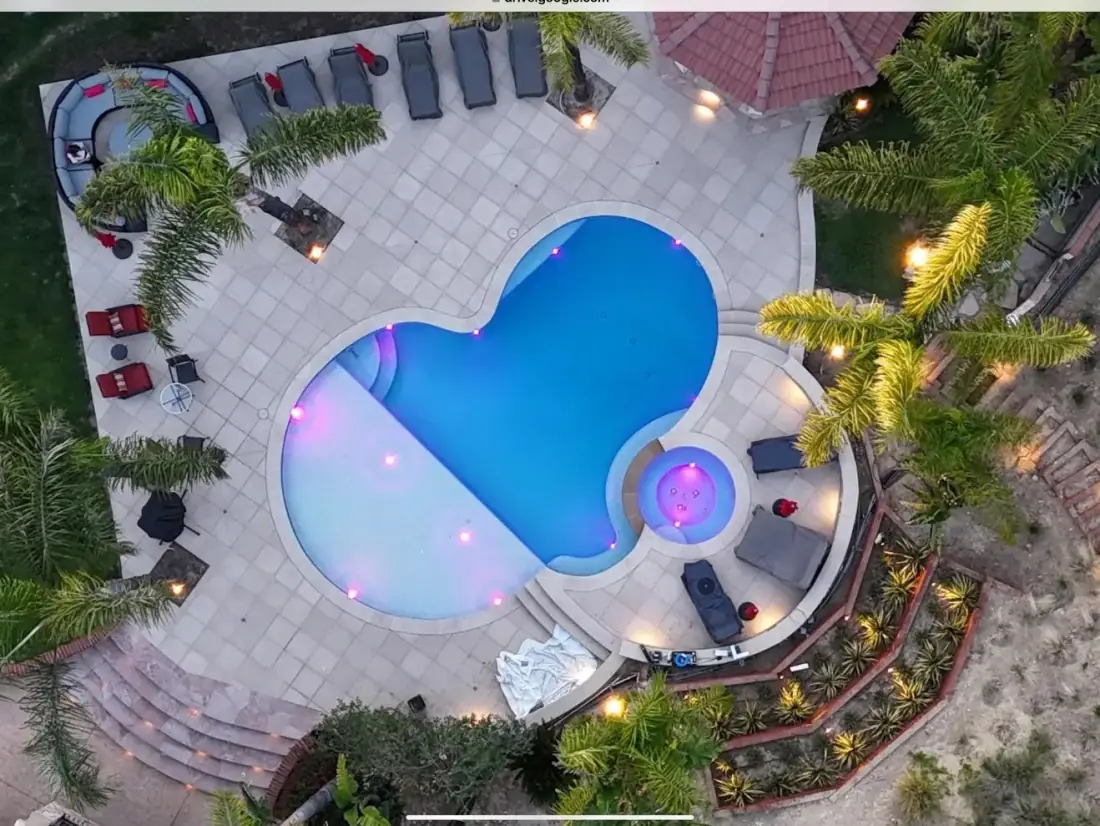
Safety is an important consideration for both homeowners and buyers.
Many pool remodeling projects include safety improvements such as:
- Slip-resistant decking
- Updated drains
- Pool fencing
- Improved lighting around the pool area
These safety features help protect swimmers and reduce the risk of accidents.
Proper lighting also improves visibility during evening swimming.
Landscaping and Backyard Design
Landscaping plays an important role in the overall design of the backyard.
A pool looks best when it integrates with landscaping elements such as plants, stone accents, and privacy hedges.
Landscaping ideas include:
- Tropical plants around the pool
- Decorative rock features
- Shade trees for sun exposure control
- Pathway lighting
These elements help create a balanced and inviting backyard environment.
When landscaping complements the pool design, the entire space feels more cohesive.
Pool Renovations That May Not Add Value
Not every renovation improves property value.
Some upgrades may increase project cost without attracting buyers.
Examples include:
- Extremely deep swimming pool designs
- Highly customized shapes
- Specialty finishes that require high maintenance
In many cases, simple upgrades such as resurfacing, new tile, and updated lighting provide better results.
Balanced improvements that appeal to a wide range of buyers often deliver the best value.
Cost vs Value of Pool Remodeling
The cost of pool remodeling can vary depending on materials, project size, and labor.
Below is a simplified comparison.
| Upgrade | Cost Range | Potential Value |
|---|---|---|
| Resurfacing | Medium | High |
| Decking renovation | Medium | Medium |
| Equipment upgrades | Low | High |
| Water features | Medium | Medium |
Homeowners should balance their budget with expected returns when planning remodeling projects.
Choosing the Right Pool Contractor
Selecting a reliable pool contractor is one of the most important steps in a remodeling project.
A qualified contractor should provide:
- A detailed project estimate
- Examples of previous work
- Clear explanations of the remodeling process
An experienced contractor will also assign a project manager to oversee the construction process and ensure the project runs smoothly.
Reviewing projects completed by the contractor can help homeowners understand the quality of their work.
Managing the Remodeling Project
A typical remodeling project requires coordination between contractors, technicians, and homeowners.
A project manager often supervises the work and ensures each stage of construction is completed correctly.
The process generally includes:
- Planning and design
- Surface preparation
- Surface application and finishing
- Chemical balancing
After construction, technicians perform chemical balancing to ensure safe water conditions.
Test kits are used to measure chlorine levels and other chemicals before the pool can be used.
When Is the Best Time to Remodel a Pool?
Timing plays a role in both project scheduling and cost.
Many homeowners choose to begin remodeling during cooler months when the pool is not being used regularly. That window is the practical one across the San Fernando Valley, so pool remodeling in Winnetka and the neighboring communities is usually booked from late fall through early spring rather than at the height of summer.
Planning early also allows homeowners to coordinate landscaping upgrades and decking improvements.
Starting early ensures the pool is ready for better days of swimming and relaxation.
Frequently Asked Questions
Does pool remodeling increase home value?
Pool remodeling can increase home value, but the size of the return depends on the condition the pool was in. A worn, stained pool reads as a repair bill to buyers and drags on the whole yard, so bringing it back to sound condition removes an objection rather than adding a luxury. A pool in an area where most homes have one is closer to expected than exceptional. The upgrades that pay best are the ones buyers can see and the ones that lower running costs.
What upgrades add the most value?
The upgrades that add the most value are the visible surface and the equipment that costs money to run. A fresh interior finish and new waterline tile change how the whole yard looks in photos, which is where most buyers start. A variable-speed pump lowers the power bill a buyer inherits, and modern lighting and automation make the pool feel current. Deck repair matters too, because cracked concrete and trip edges are the first thing an inspector writes up.
How long does the remodeling process take?
A pool remodel usually takes 2 to 6 weeks on site. Resurfacing alone runs about 5 to 14 days including draining, curing and refilling. Tile, coping and deck work add time, and a spa addition usually takes 3 to 6 weeks. Permits are the part people underestimate: review happens before any work starts and can take longer than the construction. If you are remodeling to sell, start the permit early and build the review time into your listing date.
Is it better to remodel or build a new pool?
Remodeling is almost always cheaper than building a new pool when the shell is sound. HomeAdvisor puts resurfacing at $6,000 to $15,000 and a new in-ground pool at $44,300 to $86,500. A remodel keeps the shell, which is the most expensive part, and replaces the finish, tile, coping or equipment around it. A new build only makes sense when the shell has cracked through or moved, or when you want a different size, shape or location in the yard.
How should homeowners maintain their pool after remodeling?
After a remodel, the first month matters most. A new finish is brushed daily for the first couple of weeks and the water is tested often, because unbalanced water stains fresh plaster and can etch it permanently. Plaster takes about 7 to 28 days to cure. After that, keep the water balanced, clean the filter on schedule, and run the pump long enough to turn the water over each day. Balanced water is what decides whether a finish reaches its full lifespan.
Conclusion
A well-planned pool remodeling project can transform an aging swimming pool into a modern feature that enhances the entire backyard.
Upgrades such as resurfacing, new tile, improved decking, lighting upgrades, and water features can improve both appearance and usability.
By focusing on upgrades that enhance safety, durability, and energy efficiency, homeowners can create a space that supports relaxation, entertainment, and long-term enjoyment. We plan that way on Valley Village backyard remodels too. An attached spa is one upgrade that extends how many months the pool gets used.
With the right contractor, thoughtful planning, and the right balance of style and function, pool remodeling can deliver lasting value while turning the backyard into a welcoming place to swim, relax, and enjoy life.

About the Author
Ran Neuman leads Spear Pool Equipment & Repair, a family-owned pool company founded in 1972 and serving Los Angeles and the San Fernando Valley for over 30 years. He and his team specialize in pool renovation, resurfacing, equipment repair, and full remodels, bringing honest, licensed workmanship and straightforward pricing to every project.