
Last updated: July 17, 2026
Pool renovation is no longer just about improving how a pool looks.
It is about protecting families from risks that often go unnoticed in a typical backyard setup. Many older pool designs lack modern safety features, which increases the chance of slips, falls, and water-related accidents. An outdated swimming pool may still function. But that does not mean it is safe. Cracked surfaces, worn tile, poor lighting, and outdated equipment can all create hazards. This is especially true for children. This comprehensive guide explains how a well-planned pool renovation improves safety. It also shows how upgrades enhance your outdoor space and extend the life of your pool.
Why Pool Safety Matters More Than Ever
Pool safety is a growing concern for homeowners. A residential swimming pool without proper safety standards can quickly become dangerous. Children are at the highest risk, especially in a backyard environment. Even a moment of distraction can lead to serious consequences. Common hazards include slippery pool surfaces and unsafe pool water conditions. Many pools also lack proper barriers and lighting. These issues increase the likelihood of accidents. A modern pool remodel focuses on preventing these risks before they happen. Safety features built into the pool design make a real difference.
What Is Pool Renovation and Why Is It Essential for Safety?
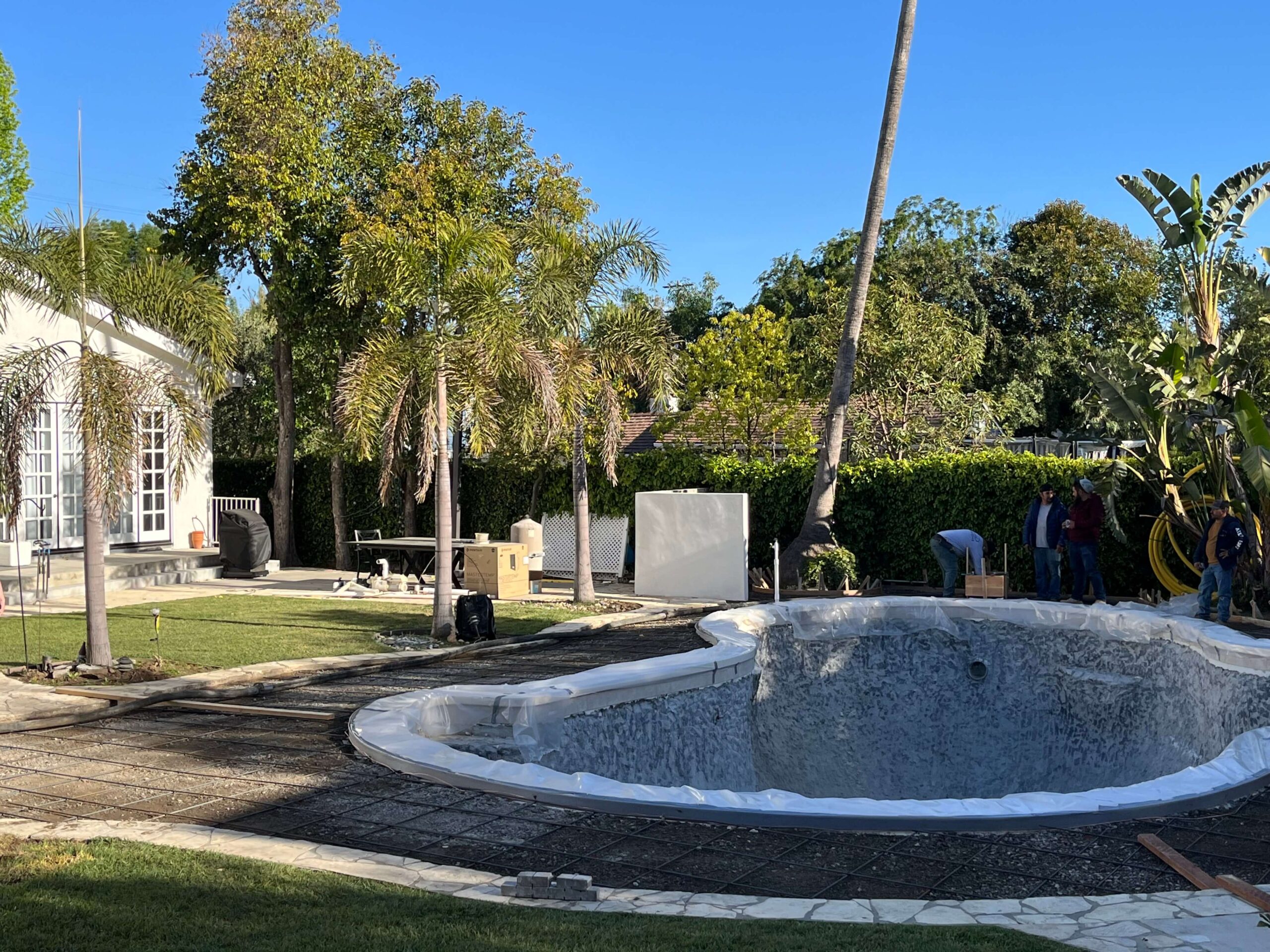
Pool renovation involves upgrading an existing pool to improve safety and performance. It can include structural changes, new materials, and modern equipment. A full pool remodel often goes beyond surface-level updates. It addresses deeper issues like structural damage and outdated equipment. The pool remodeling process usually begins with an inspection of the pool’s current state. This helps identify risks and areas that need improvement. Surface preparation is then completed to repair cracks and worn pool surfaces. Upgrading pool equipment and electrical systems follows. That’s why many homeowners now treat safety upgrades as essential, not optional. Improving the pool’s appearance is important, but safety should always come first—especially when planning a pool renovation that addresses both design and risk factors.
Top Pool Safety Upgrades You Can Add During a Pool Remodel
Anti-Slip Surfaces and Deck Improvements
Slippery surfaces around a pool deck are a common cause of injury. Upgrading to slip-resistant materials helps prevent falls. Textured concrete and specialized coatings improve traction. Where the slab itself is cracked or sunken, the fix is pool deck resurfacing rather than a coating over failing concrete. Coatings only work on a sound slab. Where the concrete has already cracked or settled, a slip-resistant pool deck rebuilt from the sub-base up removes the hazard instead of resurfacing over it. These materials also provide unmatched durability and long-term performance.
Pool Fencing and Barriers
A secure fence around the pool area prevents unsupervised access. This is one of the most important safety features for families. Self-closing gates and childproof locks add another layer of protection. These systems also help meet local building codes. Fence and gate requirements are enforced at the city level, so homeowners arranging pool safety upgrades in Chatsworth should confirm the current barrier rules before ordering materials.
Pool Covers and Safety Nets
Pool covers reduce the risk of accidental falls into pool water. They also help maintain water chemistry and keep debris out. Automatic covers are easier to use and more reliable. They provide consistent protection when the pool is not in use.
Upgrading Pool Equipment and Drain Systems
Outdated equipment can create serious safety issues. Modern pool equipment improves both safety and efficiency. Failing pumps, heaters and filters are usually a pool equipment repair job rather than a full replacement. Upgrades often include improved filtration systems and updated drains. Replacing outdated equipment also improves energy efficiency. Not every fault calls for new hardware, and repairing a failing pump or filter can clear a suction or circulation problem before it turns into a safety issue.
Lighting Upgrades for Visibility
Lighting plays a major role in pool safety. Poor visibility increases the risk of slips and missteps. LED lighting improves visibility in and around the pool. It also enhances curb appeal and creates a more inviting outdoor space.
Structural Improvements That Enhance Family Safety
Structural upgrades make a swimming pool safer for all users. These improvements are often part of a larger pool remodel project. Adding shallow zones to an inground pool makes it safer for children. Wide steps and handrails improve access. Upgrading a concrete pool with a new surface improves both durability and safety. A fresh pool plaster finish also takes the abrasive edge off worn areas, which is the surface most likely to scrape a child’s feet and hands. New coping also provides a better grip around the pool edges. These changes extend the life of the pool while improving usability.
Smart Technology for Modern Pool Safety
Modern pool renovation projects often include smart technology. These systems provide real-time monitoring and alerts. Motion sensors detect movement in pool water. Pool alarms alert homeowners to unexpected entry. Smart controls allow remote management of pool equipment. These features improve safety and support proper water chemistry.
Cost vs. Value: Is Pool Renovation Worth It for Safety?
A pool renovation project involves several factors that influence cost. These include materials, pool size, and the scope of the remodel. However, the value goes beyond the initial investment. Safety improvements reduce the risk of accidents. They can also increase property value and curb appeal. Energy-efficient pumps and upgraded equipment reduce long-term costs. Getting an accurate estimate from a pool contractor helps with planning.
Common Mistakes to Avoid During Pool Renovation
Some homeowners focus only on the pool’s appearance. This can leave serious safety risks unaddressed. Choosing low-quality materials can reduce long-term performance. Skipping inspections can lead to hidden issues. Hiring a pool contractor without proper licensing is another common mistake. Working with experienced pool builders helps avoid these problems. Their expert advice ensures better results.
Signs Your Pool Needs a Safety-Focused Remodel
Certain signs indicate your pool may need a remodel. Cracked pool surfaces are a common warning sign. Worn tile and slippery deck areas also indicate risk. Poor lighting reduces visibility and increases danger. Outdated equipment pad setups can affect safety and efficiency. Issues with water chemistry or calcium hardness also impact pool performance. These problems reduce the life of the pool. Addressing them early helps prevent larger issues later.
Materials and Design Choices That Improve Safety
Choosing the right materials is key to a safe pool remodel. Concrete pool surfaces provide strength and durability. Vinyl liner options offer flexibility and cost control. Tile finishes improve both safety and enhanced aesthetics. Deck materials also matter. Concrete deck options provide stability. Stone deck materials offer better grip. New coping improves edge safety and durability.
Adding Features That Improve Safety and Function
Modern renovation projects often include add-ons that improve usability. Adding water features improves circulation and pool water movement. Fire bowls create visual boundaries around the pool area. A swim-up bar can help define safe zones within the pool. These features turn a basic pool into a backyard oasis. They also improve the overall outdoor living spaces. For more information on water safety, visit the Centers for Disease Control and Prevention.
Understanding the Pool Remodeling Process
The pool remodeling process includes several key steps. It starts with inspecting the existing pool and evaluating its condition. Planning considers backyard space and sun exposure. Surface preparation ensures the pool shell is ready for upgrades. A new surface and updated equipment are then installed. Final steps include testing and water chemistry balancing. Working with the right pool contractor ensures the project runs smoothly. Their expert advice helps avoid costly mistakes.
Choosing the Right Pool Contractor
Selecting the right pool contractor is critical. Not all pool builders have the same level of experience. Look for proper licensing and extensive experience. A contractor should understand local building codes and safety standards. They should also provide an accurate estimate for the project. A skilled project manager ensures everything stays on track.
FAQ Section
How does pool renovation improve safety for children?
It adds barriers, improves surfaces, and upgrades equipment to reduce risks.
What are the best pool safety upgrades for families?
Fencing, anti-slip surfaces, lighting, and updated equipment offer strong protection.
Is pool resurfacing necessary for safety?
Yes. It improves grip and removes damaged areas that can cause injury.
How much does a safety-focused pool remodel cost?
Costs vary based on several factors, including materials and project size.
Are pool fences required by law?
In many areas, yes. They must meet specific safety standards.
What is the safest pool design for kids?
A shallow inground pool with gradual depth changes and secure entry points is safest.
Conclusion
A well-planned pool renovation brings new life to your backyard. It also improves safety for your family. Upgrading pool surfaces, lighting, and equipment reduces risks. Improving water chemistry and structural design enhances long-term performance. A thoughtful pool remodel transforms your outdoor space into a safer environment. If your pool shows signs of wear, it may be time to act. With the right pool contractor and expert advice, you can create a safer swimming pool for years to come.
Related Articles
- How Pool Remodeling Increases Home Value
- How to Vet a Pool Renovation Company
- Pool Renovation Company vs. DIY: What Saves More

About the Author
Ran Neuman leads Spear Pool Equipment & Repair, a family-owned pool company founded in the 1990s and serving Los Angeles and the San Fernando Valley for over 30 years. He and his team specialize in pool renovation, resurfacing, equipment repair, and full remodels, bringing honest, licensed workmanship and straightforward pricing to every project.