
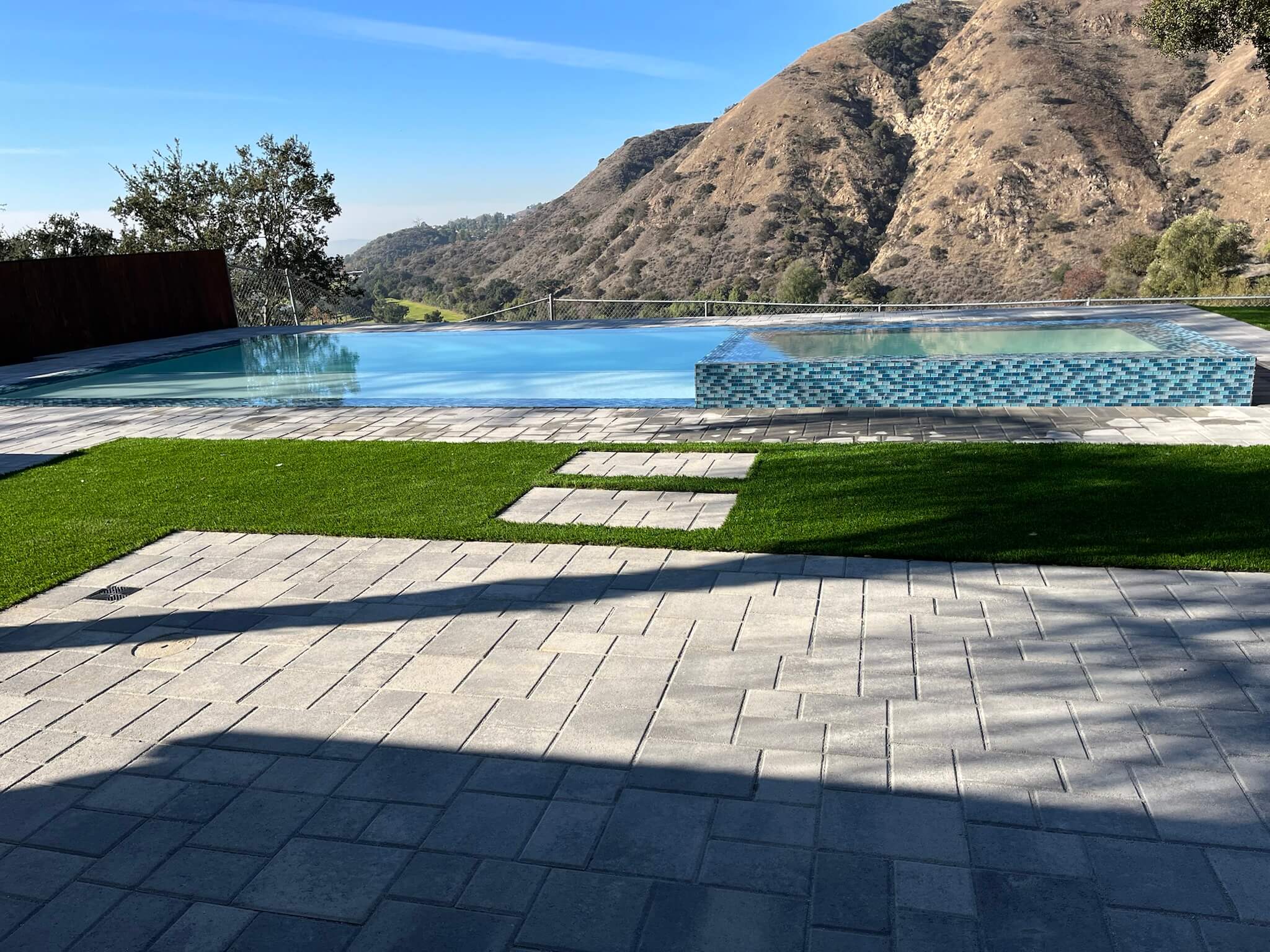
What Is Pool Resurfacing and Why Does It Matters
Pool resurfacing is the process of removing the old, damaged surface and applying a new finish. This restores the pool’s structure and creates a smooth, clean look.
A worn-out surface is more than just a cosmetic issue. It can lead to:
- Water leaks and structural damage
- Algae growth due to porous surfaces
- Increased chemical use
- Rough textures that can cause skin irritation
Resurfacing helps protect your investment while keeping your pool safe and enjoyable.
Signs You Need Pool Resurfacing
Not sure if it’s time to resurface your pool? Watch for these common signs:
Surface Damage
- Cracks or chips in the plaster
- Peeling or flaking surfaces
- Visible wear and tear
Staining and Discoloration
- Dark stains from minerals or algae
- Fading or uneven color
- Hard-to-clean surfaces
Rough Texture
- Sharp or rough spots underfoot
- Scratches or irritation after swimming
Frequent Repairs
If you constantly need repairs, resurfacing may be a better long-term solution.
Types of Pool Surface Finishes
Choosing the right surface material is key to long-term performance. Each option offers unique benefits.
Plaster Finish
- Most affordable option
- Smooth and classic look
- Lifespan of 5–10 years
Pebble Finish
- Durable and long-lasting
- Natural, textured appearance
- Slip-resistant surface
Quartz Finish
- Stronger than plaster
- Resistant to stains
- Longer lifespan
Tile Finish
- High-end appearance
- Extremely durable
- Easy to clean
Pool Resurfacing Process Explained
Understanding the process helps you know what to expect.
Step 1: Drain the Pool
The pool is drained completely to access the surface.
Step 2: Surface Preparation
Old plaster is removed, and cracks or damage are repaired.
Step 3: Apply New Surface
The selected finish is applied evenly.
Step 4: Refill and Balance
The pool is refilled, and chemicals are balanced for safe use.
Benefits of Professional Pool Resurfacing
Investing in resurfacing offers several long-term benefits.
Improved Appearance
A new surface instantly refreshes the look of your pool.
Increased Durability
Modern materials resist stains, cracks, and wear.
Better Safety
Smooth surfaces reduce the risk of cuts and injuries.
Lower Maintenance
A sealed surface prevents algae growth and reduces chemical use.
Service Areas We Cover
Our team proudly serves homeowners throughout:
- Winnetka
- Canoga Park
- Woodland Hills
- Tarzana
- Reseda
- Northridge
- Chatsworth
- West Hills
- Encino
- Van Nuys
- Lake Balboa
- Granada Hills
- Sherman Oaks
- Studio City
- Calabasas
We understand the local climate and how it affects pool surfaces, allowing us to provide the right solutions for your area.
Why Choose Spear Pool Equipment & Repair
When it comes to pool resurfacing, experience matters. Spear Pool Equipment & Repair provides reliable service backed by years of industry knowledge.
Skilled Technicians
Our team is trained in modern resurfacing techniques and materials.
Quality Materials
We use durable finishes designed to last in Southern California conditions.
Honest Pricing
Clear estimates with no hidden costs.
Complete Pool Services
We handle everything from repairs to equipment upgrades.
If your pool needs more than resurfacing, we can address leaks, equipment issues, and structural concerns.
How Often Should You Resurface a Pool?
The frequency depends on the material and maintenance.
| Surface Type | Average Lifespan |
|---|---|
| Plaster | 5–10 years |
| Quartz | 10–15 years |
| Pebble | 15–20 years |
| Tile | 20+ years |
Regular inspections can help you determine when resurfacing is needed.
Cost Factors for Pool Resurfacing
The cost of resurfacing varies based on several factors:
- Pool size and shape
- Surface material selected
- Extent of damage
- Additional repairs needed
Investing in a durable surface may cost more upfront, but it saves money in the long run.
Pool Maintenance After Resurfacing
Proper care ensures your new surface lasts as long as possible.
Keep Water Balanced
Maintain correct pH, chlorine, and alkalinity levels.
Brush the Surface
Regular brushing prevents algae buildup.
Routine Inspections
Check for early signs of wear or damage.
Professional Service
Schedule regular maintenance to extend the life of your pool. Learn more about how to keep your pool in top condition year-round.
Common Questions About Pool Resurfacing
How long does resurfacing take?
Most projects take 5–7 days, depending on the pool size and condition.
Can I change the color of my pool?
Yes, resurfacing allows you to update the color and style of your pool.
Is resurfacing better than repairing?
If the surface has widespread damage, resurfacing is usually more cost-effective than repeated repairs.
Will resurfacing fix leaks?
Resurfacing can fix minor leaks, but structural issues may require additional repairs.
When to Schedule Pool Resurfacing
The best time to resurface your pool is before damage gets worse. Waiting too long can lead to:
- Higher repair costs
- Structural problems
- Increased maintenance
Scheduling early helps you avoid major issues and keeps your pool ready for use.
Get Professional Pool Resurfacing Today
If your pool looks worn or feels rough, now is the time to take action. A professional pool re-surface restores both function and appearance, making your pool safer and more enjoyable.
Spear Pool Equipment & Repair is your trusted partner for high-quality pool resurfacing in Winnetka, Canoga Park, Woodland Hills, Tarzana, Reseda, Northridge, Chatsworth, West Hills, Encino, Van Nuys, Lake Balboa, Granada Hills, Sherman Oaks, Studio City, and Calabasas.
Contact our team today to schedule an inspection and bring your pool back to life.